We use our knowledge and expertise for countless different projects. With over 30 years of experience, we have an extensive track record of projects of which we are proud. On this page some recent examples from our consultancy department.
Aviation fuel from biomass
Pre-commercial pilot
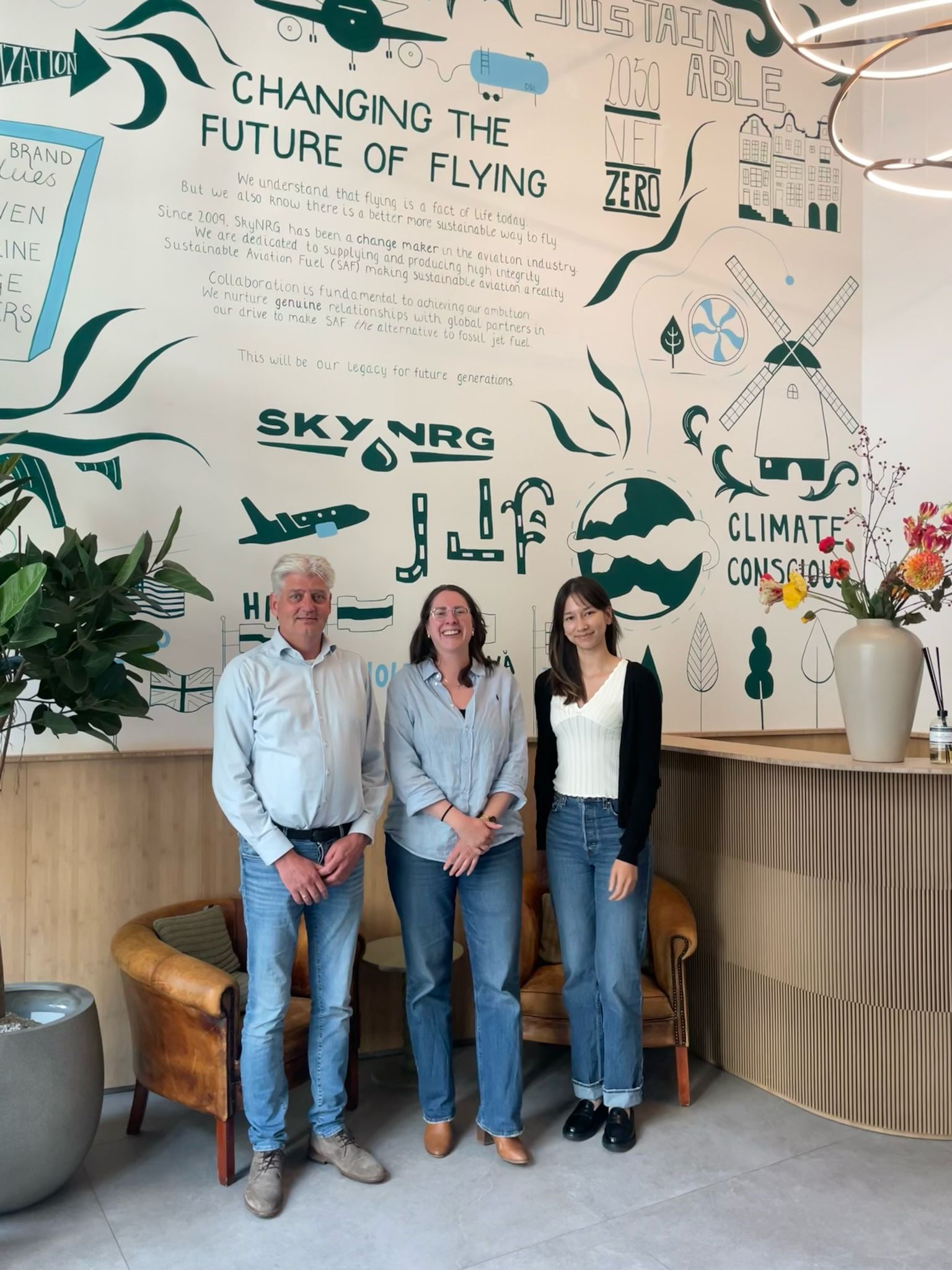
In collaboration with SkyNRG, BTG is conducting a feasibility study for a pre-commercial pilot plant in the Netherlands to produce sustainable aviation fuel (SAF) via rapid pyrolysis. With rapidly rising demand for SAF and the limitations of traditional feedstocks, BTG is focusing on advanced routes that are scalable and contribute to the aviation transition. The technology combines innovative stabilization and upgrading of pyrolysis oil into high-quality fuel, with the potential to reduce CO2 emissions by up to 85–89%. Simultaneously, work is being done on ASTM certification, which is crucial for market access and large-scale application. This project demonstrates how BTG is leading the way in cleantech innovation and actively contributing to a future-proof, climate-neutral aviation industry.
Green municipal residual streams valorisation
Municipality of Enschede
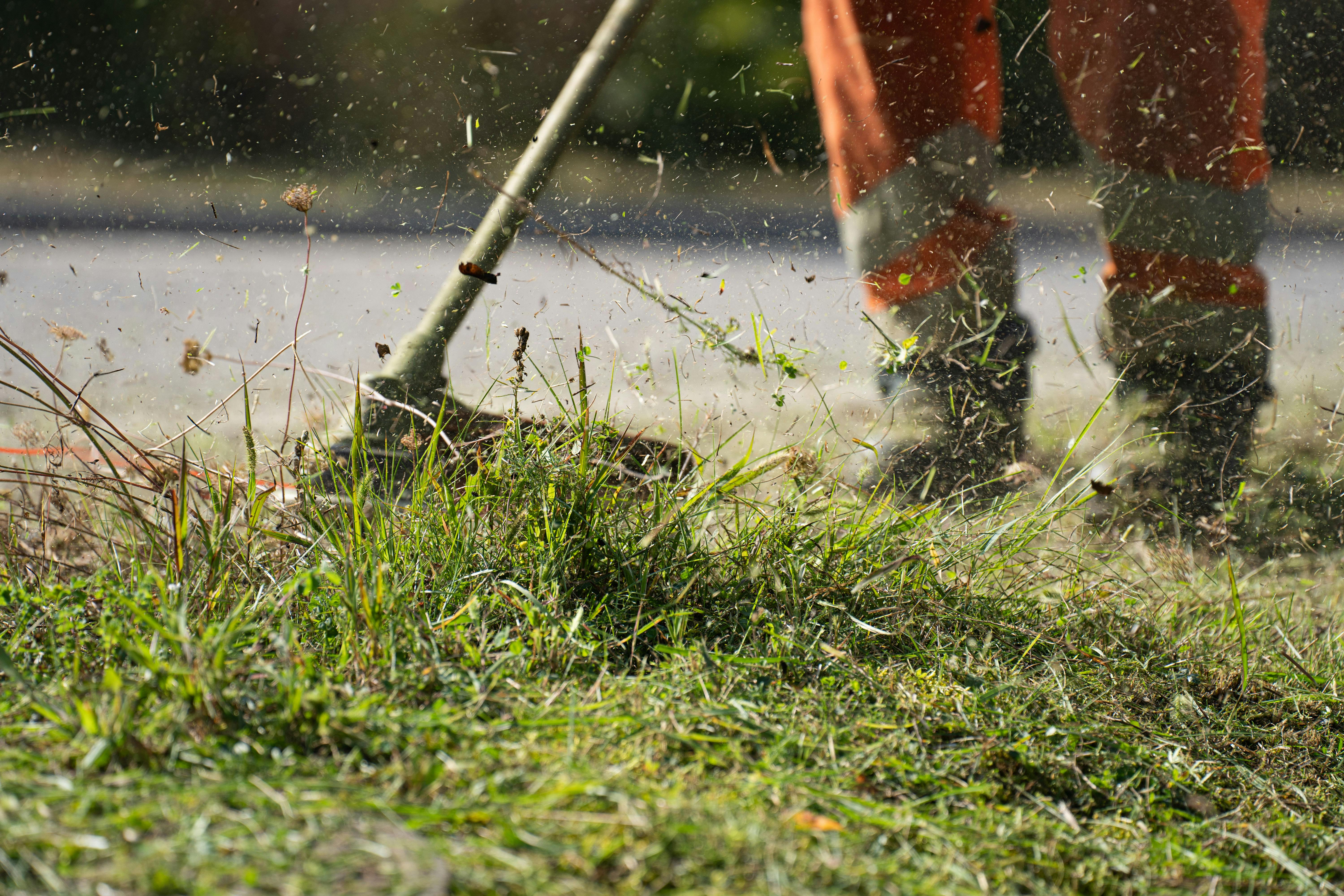
The Municipality of Enschede sees opportunities to make smarter use of residual streams from public green spaces. Leaves, grass, pruning waste, and other green residual streams can be more than just waste: they constitute a valuable raw material for soil improvement, bio-based materials, or energy. BTG has mapped out the promising processing routes and calculated which yield the greatest climate benefits. By assessing costs, CO2 savings, feasibility, logistics, employment, and innovation potential together, the municipality has concrete tools to deploy green residual streams for a circular and climate-friendly Enschede.
Bio-based fertilisers
FertiCovery
In the Netherlands and Europe, large quantities of secondary raw materials are generated annually, such as manure, digestate, compost, sewage sludge, and other organic residual streams. These streams contain valuable nutrients, such as nitrogen, phosphorus, and potassium, which can be recovered or recycled into circular fertilizers. Existing and promising technologies for the production of fertilizing products from secondary raw materials are being mapped and assessed. This involves examining technical performance, environmental impact, product quality, market potential, and regulations. BTG Consultancy coordinates the project and contributes, among other things, to the analysis of scaling-up opportunities, feedstock availability, market and replication potential, and stakeholder engagement.

Life Cycle Analysis (LCA)
ALIGNED
The sustainability of green products must be measurable and reliable. ALIGNED develops practical and user-friendly tools that enable companies from 5 sectors to assess and improve the environmental performance of their bio-based products. By harmonizing Life Cycle Assessment methods, the project enables better-substantiated and transparent sustainability choices.

Sustainable biomass infrastructure in Serbia
Pre-commercial pilot
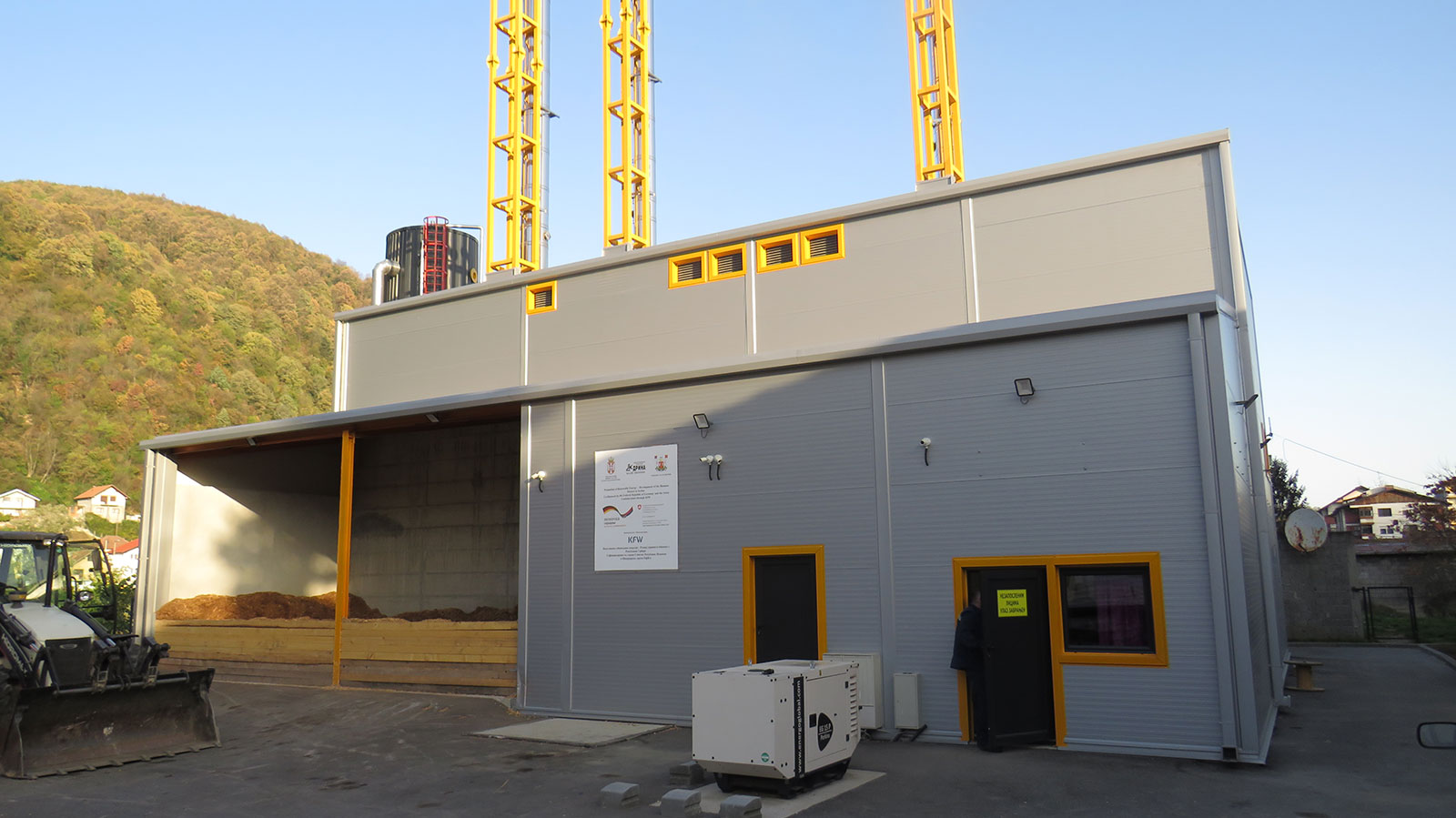
Energy production in Serbia is outdated and primarily based on fossil fuels. This project achieves tangible environmental and climate impact by supporting various Serbian municipalities in the transition to sustainable biomass heating systems. It combines investments in the modernization of installations and networks with policy development, thereby contributing to lower emissions, better air quality, and greater energy security. In this project, BTG advises on the establishment of a sustainable biomass supply.
Advanced biofuels
BioTheRos
Advanced biofuels are crucial in the transition to climate neutrality because they drastically reduce greenhouse gas emissions without competing with food production. They offer a direct and scalable solution for application in aviation, shipping, and road transport. BioTheRoS brings their large-scale application a step closer by testing innovative technologies and identifying the most suitable biomass streams.
Regional bioeconomies
SCALE-UP
From locally available biomass to real business opportunities: SCALE-UP supports various European regions in converting underutilized biomass into valuable products and services. By connecting farmers, businesses, researchers, and policymakers and providing targeted information, the project helps develop viable regional value chains and unlock the full potential of regional raw materials.
Bio-economy in education
BioGov.net
How do you make the bioeconomy specific and successful? Appropriate education tailored to regional priorities and needs is a key ingredient in this. In various regions, BioGov.net brings stakeholders together to improve decision-making, skills, and education. Together with regional industries, educational institutions, and policymakers, practical guidelines for (vocational) education and training are developed that closely align with regional needs. In this way, the transition to a sustainable bioeconomy is facilitated.
Energy transition of energy-intensive industry
Re4Industry
In the Re4Industry project, energy-intensive industries in Europe are guided towards the application of renewable energy in their production processes and facilities. Together with project partners, BTG is developing a long-term strategy with concrete action plans for different sectors of the energy-intensive industry on the path to total decarbonisation towards 2050.
Bioeconomy database
Tech4biowaste
In the Netherlands and Europe, large amounts of biowaste are released every year, such as organic waste from gardens and public gardens, and food waste from households, restaurants and the food industry. Biowaste is an important raw material for the circular economy and various technologies are available for converting the biowaste into useful products. In the Tech4Biowaste project, a complete database is being developed in which not only existing, but also new promising technologies for the use and valorisation of biowaste are included.

Sustainability analyses
Groengoud
In the Groen goud (Green gold) project, BTG performed a full LCA to determine the environmental impact of pyrolysis oil biorefinery, in which the pyrolysis oil is fractionated and applied as a wood modification treatment to replace fossil creosotes. The LCA shows that the use of pyrolytic sugars as a wood modification treatment has significantly lower environmental impacts than the fossil fuel-based creosotes. The results have been published in a scientific journal.

Contact us now
Together we discuss the possibilities for a tailor-made solution for your company